
110 Park Facts to impress your teachers: the first 10.
Happy Junior Rangers Day!
In honor of the 110th Anniversary of the founding of the National Park Service, I wanted to do something special. So, I thought, “why not a social media campaign for 110 days, with 1 interesting/impressive fact about our National Parks each day?” - Posted to relevant social media?
But…
These aren’t just any facts. These are things that go just a little bit beyond the popular knowledge about our parks. The kind of facts that you could take to your science or history teacher to impress them with your keen knowledge. Or, learn yourself, so when you see them on this page you can roll your eyes and say, “duh!”
But that’s social media. This is my blog. So, here I will be publishing a compilation of these facts every ten days until all 110 facts are covered. There are rules, there are sources. You can find those below. But without further ado, here are the first 10* facts.
*(With one bonus lore or mystery")
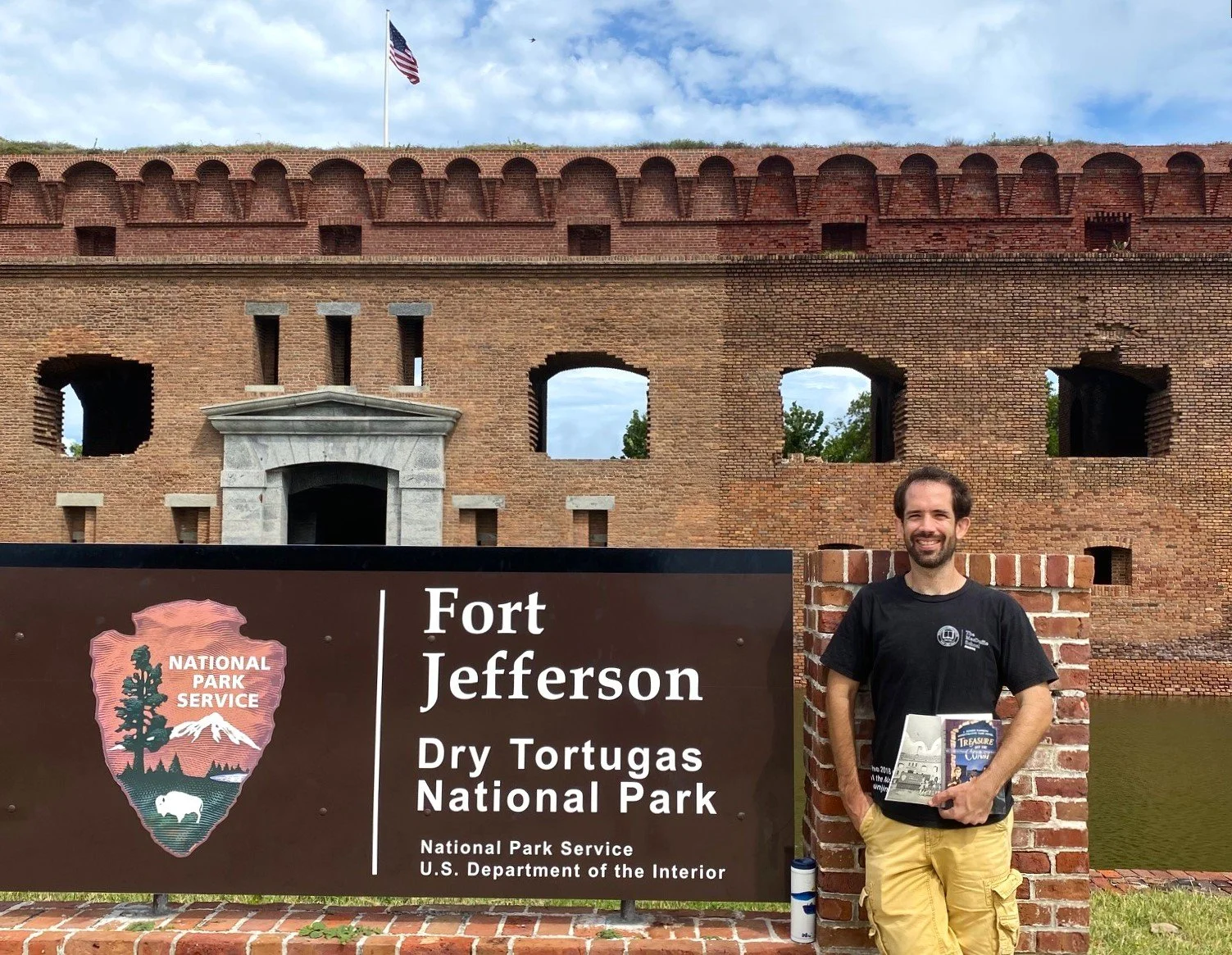
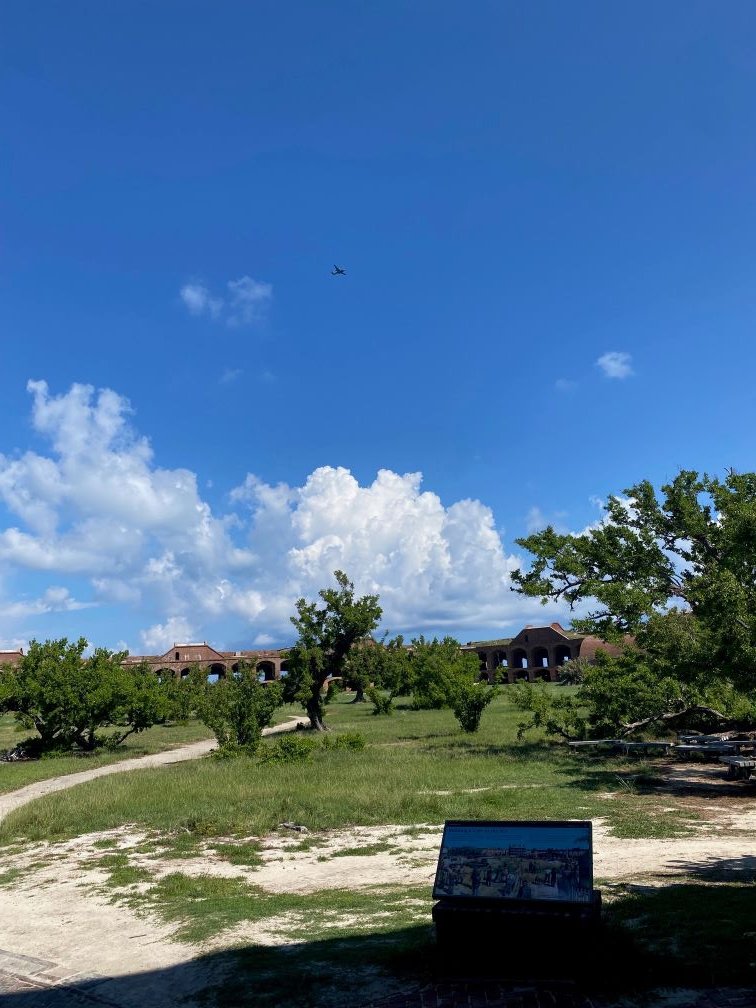
#1: Fort Jefferson in Dry Tortugas National Park was constructed as one of many Pre-Civil War era coastal defense forts. However, it is not the first fortification in the Dry Tortugas. The first fort in the Dry Tortugas was hastily constructed by the crew of the HMS Tyger in 1742, from cannons and wood salvaged from their ship, after it ran aground on Garden Key.
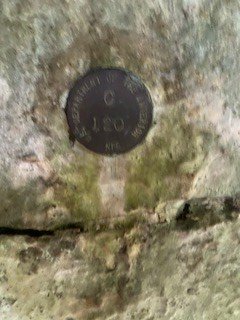
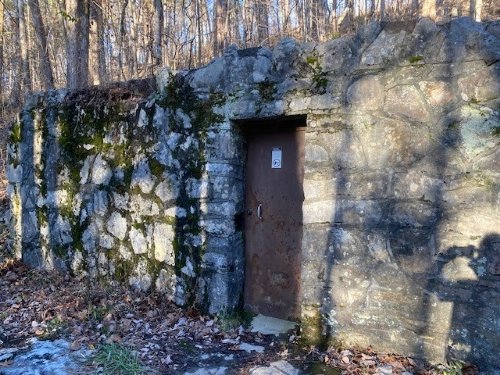
#2: While Mammoth Cave is the longest and most famous cave in Mammoth Cave National Park, there are hundreds of smaller caves in the park which have been explored and registered, but have not been connected to Mammoth Cave. (Finding connections to some of these caves might extend Mammoth Cave to even greater length, but for now, caves like Great Onyx, Whites Cave and Potato Cave remain independent caves inside the park.) (You can tour Great Onyx Cave with park guides.)
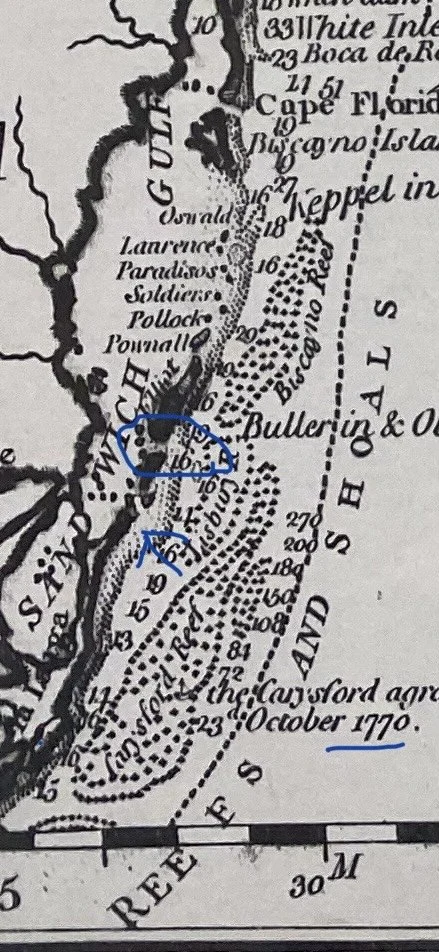
#3: Biscayne National Park is a marine park south of Miami. It has gone through lots of name changes over the years, and was briefly known as the “Sandwich Gulf.” From 1763 - 1783, Britain controlled Florida, and when Biscayne Bay was mapped in 1770, it’s name appeared as “Sandwich Gulf.” Named for the same guy credited with inventing the sandwich.* Accuracy of sandwich invention not withstanding.
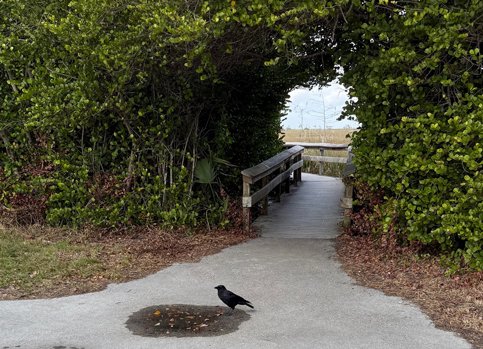
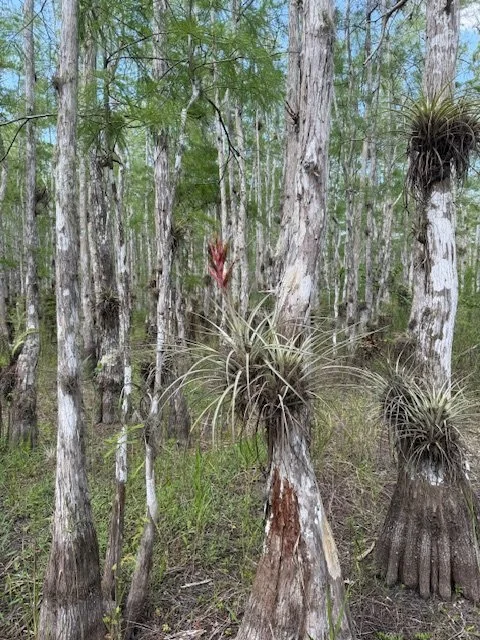
#4: Everyone knows Everglades National Park, but the origin of that name is somewhat in question. Ever for forever. Glades for an area of grass. It appears on maps in the 1800s and was popularized by Marjory Stoneman Douglas. But the people who live and have lived there have another name for it Pahayokee, Pa-hay-okee, which means: “Grassy Waters”, (Okee means water, like in Lake Okeechobee.(Big water)
#5: While the Everglades is often referred to as a swamp, Much of Everglades National Park is marsh. (a wetland dominated by grasses.) Meanwhile, Big Cypress National Preserve is a large swamp. (Swamps are flooded wooded areas.) This fact is in here mostly to annoy people with the differences. :-P.
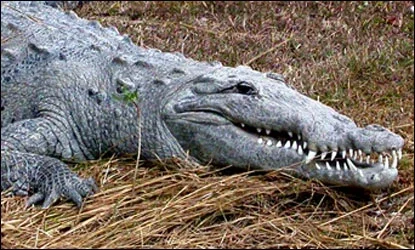
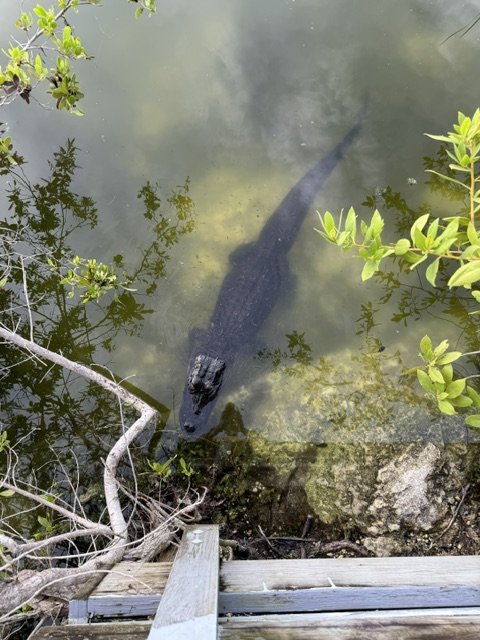
#6: Everglades National Park is one of the only places in the world where Alligators and Crocodiles interact. The American Alligator, and the American Saltwater Crocodile both live in Everglades National Park. You can recognize Crocodiles for their narrower snouts. (Crocodile picture courtesy of the U.S. National Park Service. Because the alligator ate my homework!) (Actually because I have terrible wildlife luck. During the 4 years by dad was at Biscayne, I never, once saw a crocodile or a manatee. Both can also be seen in the Everglades, if you have more luck than me!)
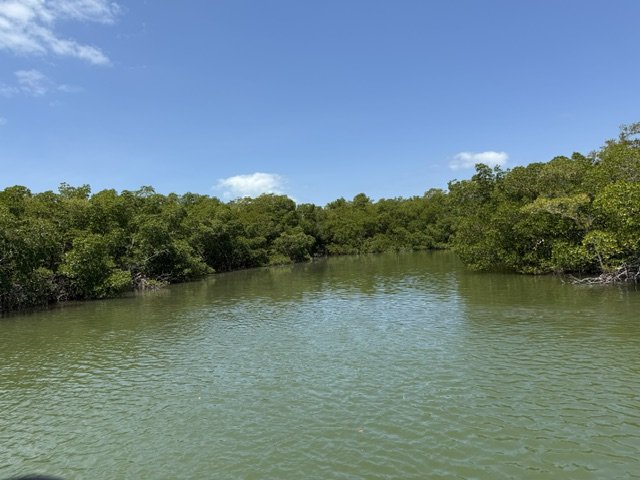
#7: Some of the islands in the Ten Thousand Islands region of Everglades National Park are man-made. The Calusa built and lived on islands of shells. The islands were built around natural freshwater springs and designed to help them catch fish. (This is what one of their islands looks like today. (now overgrown by mangroves.) Click on the link below to see what they would have looked like at the time.
Smithsonian article about the Calusa
#8: The Dry Tortugas were named for the abundance of sea turtles Juan Ponce de Leon and his sailors encountered on the islands. (The Dry came later,) However, there was another large, mostly aquatic, animal which once made it’s home in the park: the now extinct Caribbean Monk Seal. Ponce de Leon and his men also encountered these sea wolves in the waters around the keys.
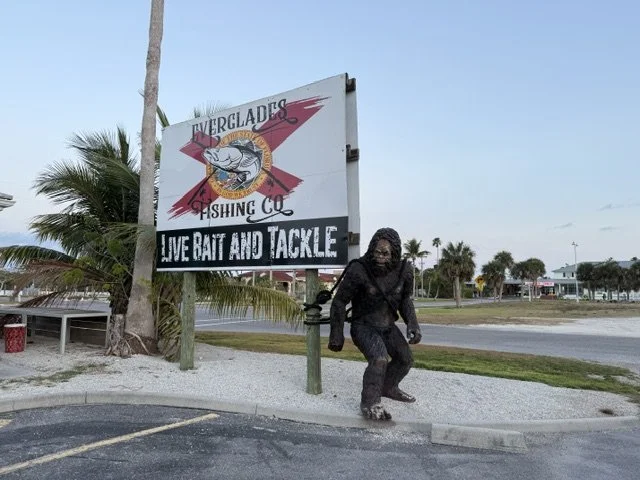
#9: Big Cypress and Everglades National Parks are home to their own cryptid legend. The Skunk Ape. Florida’s sasquatch is said to announce itself by smell long before you ever see it! So keep those noses open as you wander through the swamp (or marsh.)
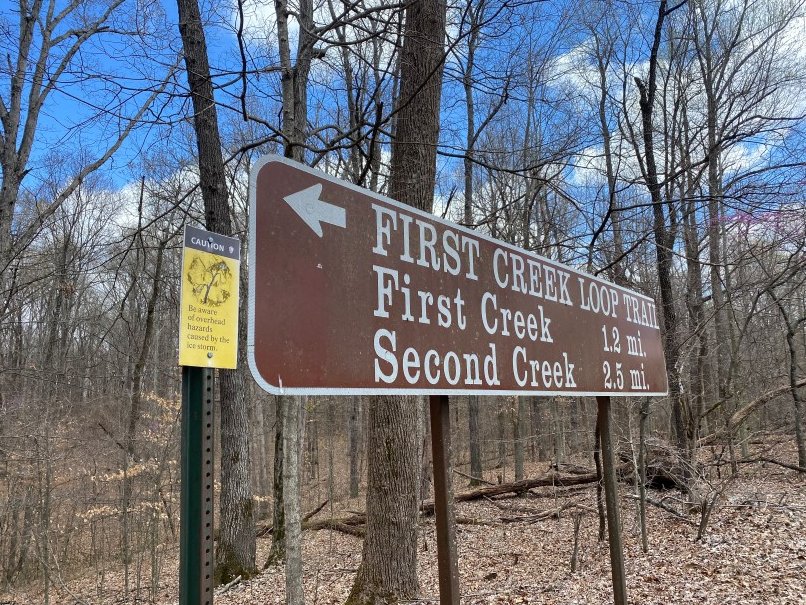
#10: Mammoth Cave National Park is most well known for the longest cave in the world. But it also has some awesome above ground hiking! My most recommended trails are Cedar Sink Trail, Second Creek Trail, and the short but historically significant Sand Cave Trail.
And, for those of you who have found this blog: Here is an extra fact/mystery
There are rumors written in historical accounts and whispered amongst park staff and visitors that one of the victims of a yellow fever outbreak in the Dry Tortugas was buried into the walls of Fort Jefferson. This is probably an inaccurate retelling of the story of Private George Tupper, who was buried in the parade ground sheltered within the walls of Fort Jefferson, but not into the brick walls of the fort itself. He, unfortunately, died of yellow fever, and due to an oncoming hurricane, his superiors made the decision to inter him within the safety of the fort. He was later exhumed and reburied in a military cemetery Pensacola. Private Tupper was the only person recorded to have been buried within the walls (in the parade ground, remember) of Fort Jefferson since it’s construction.
There are also Rumors of sailors from Ponce de Leon’s crew being buried on Garden Key. More research is ongoing, stay Tuned to see if that pops up in the next 100 facts!
If you found these facts through the daily posts, then thanks for clicking the link. The articles are always a little more wordy, but that does allow me to explain the 3 most important rules of this fact list:
For each fact, There were be something well known, leading into the new cool fact.
Each cool fact will have a documented source you can find in these blogs.
These cool facts will be mostly related to parks I’ve visited or written about for 2 reasons: I want to share a lot of the stuff that I couldn’t fit into my books, and social media really likes pictures, and I will only use my own photos, or photos I have permission to use.*
*(Stay tuned, and you may see photos from the talented illustrator Bailey Vidler.)
By the time this is published Junior Rangers Day 2026 is almost over. But stay tuned, and visit your local national parks.
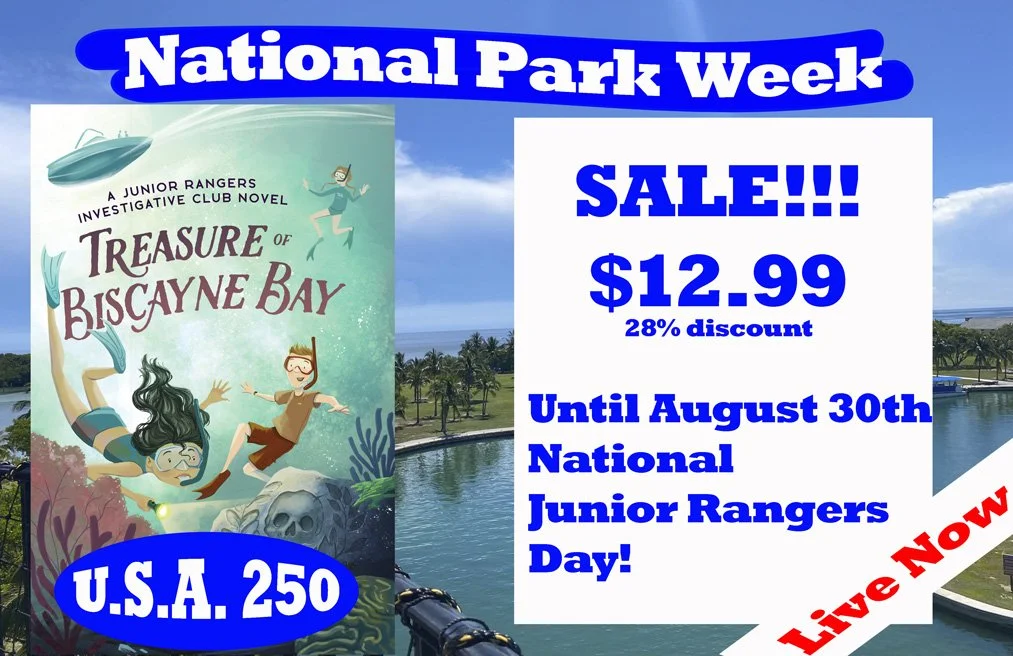
If you do happen to find this in the last couple hours, 2 of the books in My Junior Rangers Investigative Club series are on sale. However, if you miss the window, follow this blog, because there will be new sales in the future. Including a more spectral sale to celebrate the spooky season in the coming months.
I am working on a much bigger project, and it is taking me longer than expected. (Which is normally how everything happens.) But this isn’t the only way I’m celebrating the National Parks right now. There will be more material for the Junior Rangers soon!
Sources:
Fact #1:
https://www.nps.gov/articles/000/rediscovering-hms-tyger.htm
Fact #2:
https://www.ebsco.com/research-starters/history/mammoth-cave-national-park - This source suggests there are more than 400 caves in the National Park, but it is from 1981, and since then, some of these caves have been connected to the Flint-Ridge/Mammoth Cave sytem
https://digitalcommons.wku.edu/cgi/viewcontent.cgi?params=/context/mc_reserch_symp/article/1110/&path_info=Flint_Ridge_Cave_History_and_Legends.pdf - a short writeup on some of the other caves in Mammoth Cave.
Fact #3
https://www.jstor.org/stable/30145316 - Map from 1770 showing many British Renaming(s) of the temporarily non-Spanish Florida.
Fact #4
https://footpathsblog.com/2026/04/26/pa-hay-okee-overlook-trail-everglades-national-park/
Fact #5
Fact #6
https://www.nps.gov/ever/learn/nature/crocodile.htm
Fact #7
Fact #8
https://en.wikipedia.org/wiki/Caribbean_monk_seal
Fact #9
Fact #10
These are trails within Mammoth Cave, but them being highlights is personal opinion, and therefore cannot be sourced.
Extra Fact:
https://www.nps.gov/drto/learn/historyculture/private-george-tupper.htm