
110 Park Facts to Impress Your Teachers: 21-30
Week #3 of 110 Park facts! These aren’t just your everyday facts, these delve a little deeper into the history and nature of some of the most awesome places in the United States. All go a bit beyond daily knowledge, and all are sourced at the bottom of the article. Almost all are about parks I have personally visited. Because, that way, I can use my own pictures!
So, without further ado. Here are some more interesting facts about our national parks:
#21 Paradise in Everglades National Park
Nestled within the Everglades is a much smaller seed for the protection of Florida Lands. Years before Everglades was established, scientists and leaders like May Mann Jennings successfully campaigned to save an area of wild diversity known as Paradise Key, which became known as Royal Palm State Park. It’s foundation laid the track for further land protections in the region.
#22 Mummies in Mammoth Cave!
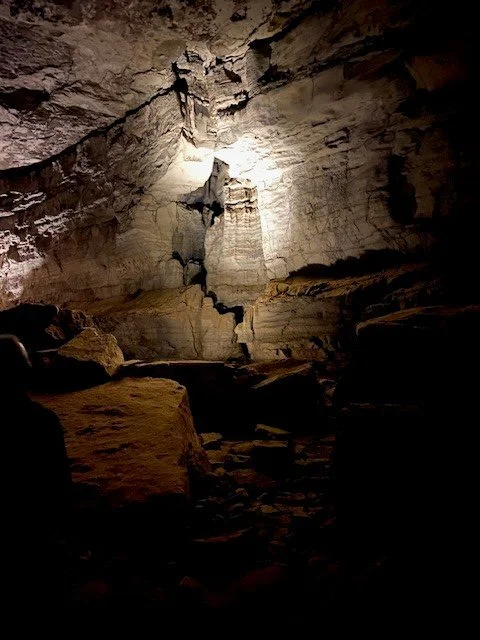
It’s not the first thing you think about while exploring Mammoth Cave, but the human history of the Longest Cave in the World can be traced back thousands of years. Not to people from Egypt (they’re not that kind of mummy.) Instead, thousands of years ago indigenous people living in Kentucky explored, utilized, and sometimes buried their loved ones in southern Kentucky Caves, including Mammoth.
#23 Feathers were treasure!
In the late 18 and early 1900s, bird feathers were a common fashion accessory: feathers in caps, feather boas, birdwing broaches. They were so desirable that hunting birds for their feathers was an entire industry. In the Everglades, rookeries were raided, nests were pilfered and some birds were even hunted to or beyond the brink of extinction. Early conservation efforts to save the remaining species like the wood stork, flamingo, and roseate spoonbill, helped plant seeds for the formation of Everglades National Park. Some, like the species listed above, are on their way to recovery. Others, like the ivory-billed woodpecker, have been lost forever.
#24 Counting those Feathers
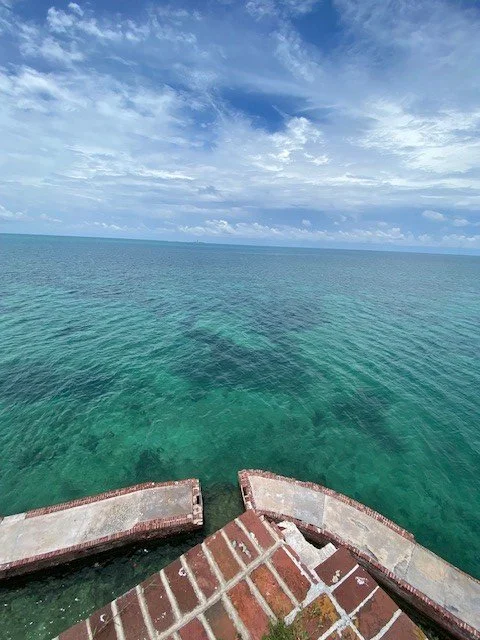
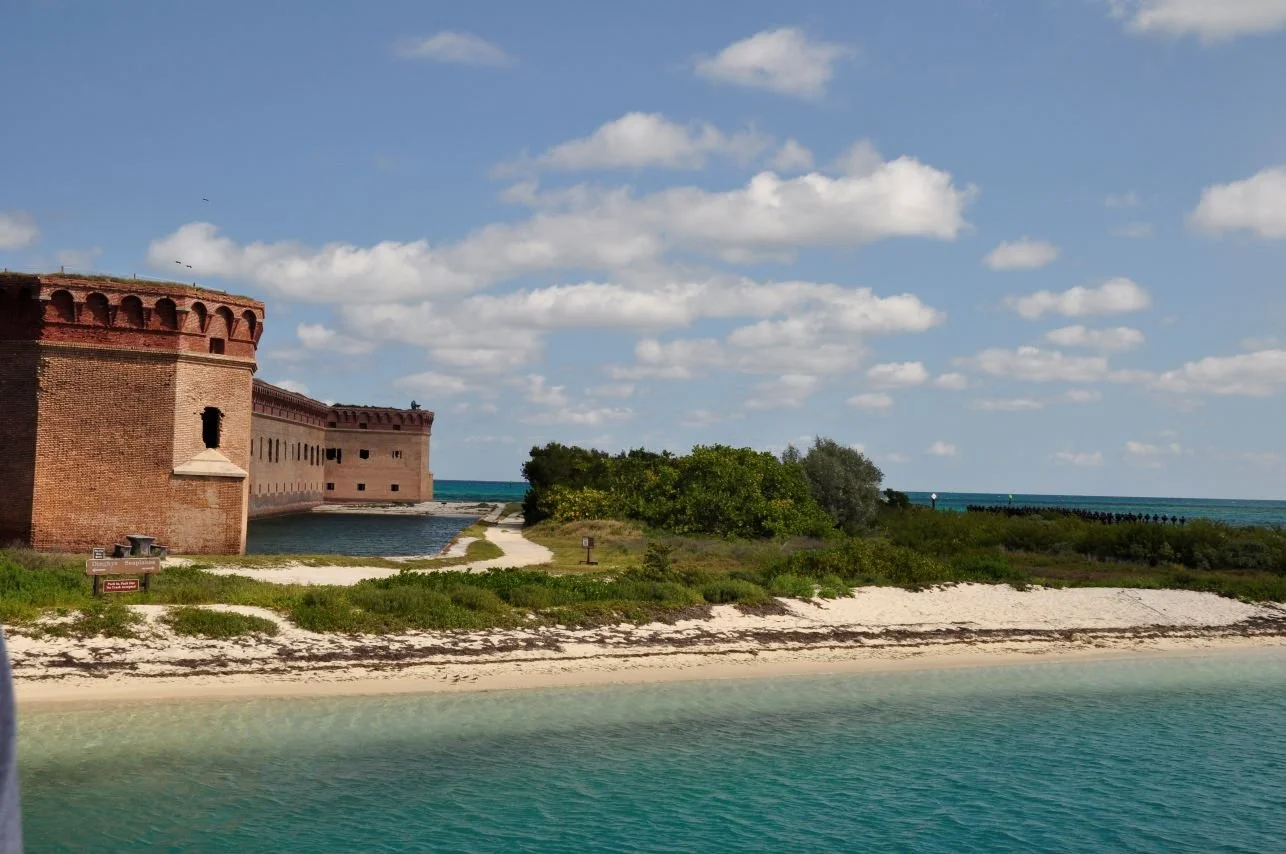
Scientists in Dry Tortugas National Park have been catching birds for decades! (and then releasing them) as part of long term studies on nesting populations of Sooty and Noddy Terns. The birds migrate to the islands around Garden Key every year to nest on the keys, before returning (with the newly hatched) to life at sea.
#25 Counting Shells
Turtle Shells. The Dry Tortugas has been the site of many long term studies of sea turtles. Including programs to monitor sea turtle nesting, programs to tag and track sea turtles, and programs to teach young turtle teenagers kung-fu. (while the last is a joke, the ongoing studies help us learn more about the habits of the sea turtles for which the islands are named.)
#26 Turtle Power
The Dry Tortugas is named for the sea turtles which nest on the islands, and brows the nearby waters. 5 different species have been found in the Dry Tortugas, including Loggerhead, Green, Hawksbill, Leatherback, and Kemps Ridley. Nests from most of these species have been found on the island, with Loggerheads being the most common nesting species.
#27 Soft White ‘Sands’
As you hop across the sun-warmed white sandy beaches in Dry Tortugas, Biscayne National Park, and Everglades National Park, you can distract yourself from the feet scorching heat with the fun fact that much of the soft white sand was excreted from animals like parrotfish, urchins, and more. That sand isn’t silica. Instead, it’s mostly calcium carbonate, the crushed fragments of shellfish and coral, some of which was broken apart by tide and storm, but much of which was broken down by the munch and crunch of hungry animals. Basically, part of the beach is parrotfish poop.
#28 Reef Restoration.
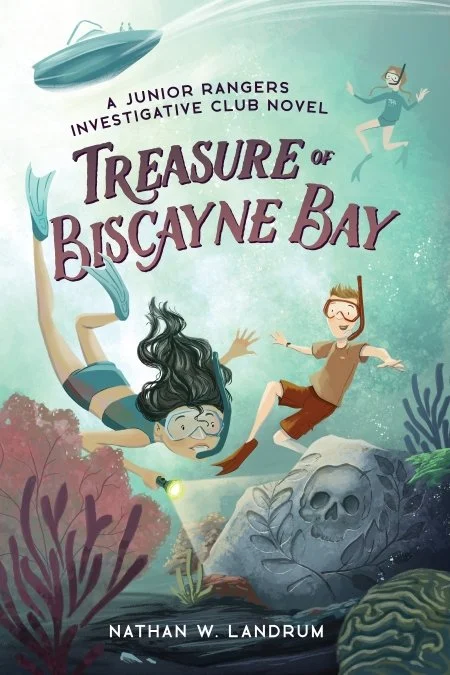
Dry Tortugas and Biscayne National Park are both home to one of the U.S.’s most diverse coral reefs. But storms and temperature changes, and human interactions (like boat strikes and trash dumping) have taken their toll on some of the rocky colonial creatures. Now, scientists and students from across Florida are part of a massive effort in both parks to help breed and restore some of the most impacted coral species.
#29. Boiling and Live
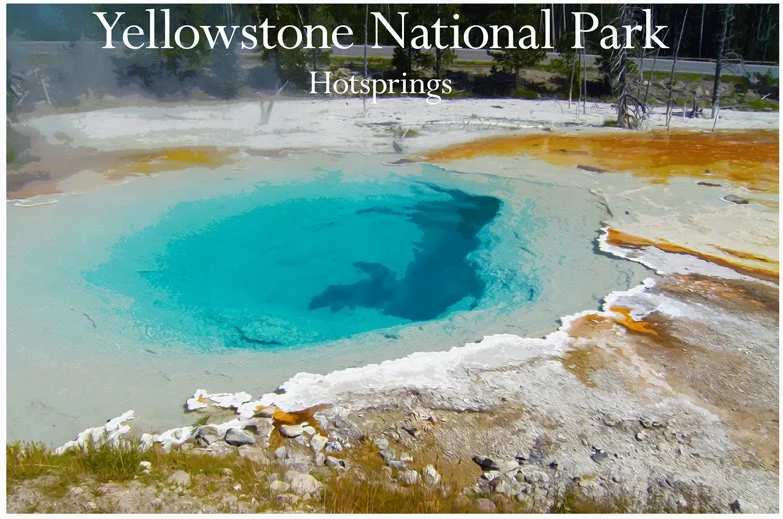
In Yellowstone National Park, many of the hot springs reach deadly dangerous temperatures (for humans.) So, it’s incredibly important to remain on trails and pay attention to signs. However, other living things have found a way to thrive in the heat. These extremophiles, or thermophiles (more specifically) can live in temperatures too extreme for standard living. These include Archaea, Bacteria, Protozoa, and even heat tolerant plants (mostly algae and mosses) and animals (mostly insects.)
#30 Testing the limits.
In Yellowstone National Park, knowing the temperature of the hot spring will tell you what can live there. If the temp is greater than 104°F (40°C) then the hot spring can be unsafe. Considering many of Yellowstone’s Springs are > 122°F (50°C) they aren’t so great for humans. (So stay out.) However, as the temperature climbs, they become unsafe for other life as well. Above 50°C you wont find many animals or plants. Above 56°C even the protozoa tap out. 60°C or higher is too hot for algae, and fungi give up at around 62°C. Beyond that point it’s mostly Cyanobactera and Archaea. And even the Cyanobactera give up around 73°C, leaving only the most Extreme Archaea to themselves in waters up to (and sometimes over) 93°C! That’s near boiling (quite extreme!)
Most of the facts this week had a scientific research bent! There are scientists at work inside all of our national parks. Since they are set aside to protect some of the most awesome natural places in the U.S. They protect and provide those scientists with awesome opportunities to study that nature! And we learn some really cool things. For instance, if you use the final link below, you can learn how to guess the temperature of a hotspring, (and the life in it) based upon the color of the things you see living in it. (For fun, don’t use this as a safety guide. Just assume that they are all too hot to touch!)
Sources
#21
https://www.nps.gov/ever/learn/historyculture/royal-palm.htm
#22
https://www.greatamericanhikes.com/post/the-mummies-of-mammoth-cave
#23
https://www.fws.gov/story/how-two-people-saved-millions-birds
#24
The Science of Sooty Tern Migrations
#25
Sea Turtle Research - Dry Tortugas National Park (U.S. National Park Service)
#26
https://www.nps.gov/drto/learn/nature/sea-turtles.htm
#27
https://www.nhm.ac.uk/discover/parrotfish-and-sand.html
#28
Diving In: Coral Conservation in Biscayne | National Park Foundation
Returning to Dry Tortugas to Restore Remote Coral Reefs
#29 and #30
https://www.nps.gov/yell/learn/nature/thermophilic-communities.htm
passages ut not the first connection to come to mind. Despite cave room names like ‘Ruins of Karnak,’ in Mammoth Cave, there